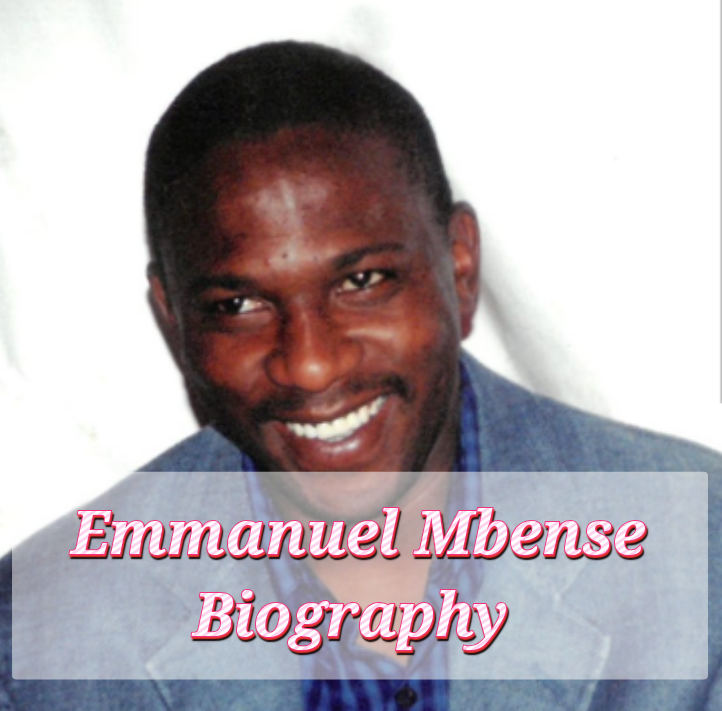
Emmanuel Mbense Biography: Early Life, Age, Death and Family
Emmanuel Mbense Biography
Emmanuel Mbense was a 51-year-old man from Brakpan in Gauteng, South Africa. He lived a simple life as a father and provider until his sudden death on April 15, 2022. His body was found the next day in Duduza Dam near Nigel. This event drew attention because it linked to claims of police wrongdoing. Mbense became known through the Madlanga Commission, a probe into how crime groups had entered government ranks. Set up by President Cyril Ramaphosa, the commission heard stories that showed how his death pointed to bigger problems in law enforcement.
People often search for “who is Emmanuel Mbense” to understand his role in this story. He was not famous, but his case highlights risks faced by ordinary citizens in corruption fights. His death involved claims of torture by police and private security. This raised questions about safety and justice in South Africa. The story continues with recent events, like the death of people linked to his case in 2026. His family still seeks answers, showing how one person’s loss affects many.
This article covers his life to educate readers on how corruption touches real lives. It uses simple words for easy reading. We focus on facts from known sources, like commission testimonies and police statements. By learning about Mbense, readers can see the need for better protections against abuse of power.
Emmanuel Mbense Early Life and Background
Little public detail exists on Emmanuel Mbense’s early years, as he led a private life. He was born around 1971 in Gauteng, South Africa. Growing up in Brakpan, a town east of Johannesburg, he knew the area’s mix of communities and challenges. Brakpan is part of Ekurhuleni, known for its mining history and diverse people. Mbense fit into this world as a regular resident who valued family ties.
From what his family shares, Mbense was always close to his loved ones. He supported his mother and siblings from a young age. As an adult, he became a pillar for those around him. Friends and relatives describe him as kind and reliable. He lived in Brakpan his whole life, building roots in the community. This background shaped him into someone who worked hard to care for others.
South Africa in the 1970s and 1980s faced apartheid struggles, which might have influenced his views on justice. Though no specific stories tie him to politics, his later fate shows how everyday people can get pulled into systemic issues. Mbense’s story teaches that backgrounds like his, rooted in family and community, are common in South Africa. Yet, they can turn tragic when crossed with power abuses.
Emmanuel Mbense Career
Emmanuel Mbense worked as a shop owner in Brakpan. His business focused on local needs, serving the community with goods. This role made him a familiar face in the area. Shop owners in places like Ekurhuleni often deal with daily challenges, such as crime and economic ups and downs. Mbense managed these while providing for his family.
Details on his career start are scarce, but he likely began in small trade. By his 50s, he ran his own shop. This work involved long hours and building trust with customers. In South Africa, small businesses like his support local economies. They also face risks from theft or disputes, which sometimes involve police.
His career ended abruptly in 2022 due to events tied to a police operation. Claims suggest officers targeted him over a robbery accusation. This shows how a simple job can lead to danger if linked to corruption. Readers can learn from this that protecting small business owners requires fair law enforcement. Mbense’s work life reminds us of the value in everyday jobs and the need to guard them from harm.
Emmanuel Mbense Controversies
Emmanuel Mbense’s name entered public view through controversies around his death. On April 15, 2022, he was allegedly tortured at his home in Brakpan by members of the Ekurhuleni Metropolitan Police Department and private security. His body showed signs of blunt force trauma. It was dumped in Duduza Dam, found on April 16, 2022, with his keys and license still on him.
The Madlanga Commission, started in 2023 by President Cyril Ramaphosa, looked into these claims. It aimed to uncover how organized crime groups infiltrated police. In testimonies, Witness D, later named Marius van der Merwe, said he helped dispose of Mbense’s body to cover up the act. Van der Merwe claimed orders came from high ranks, like suspended EMPD Chief Julius Mkhwanazi.
This raised big questions about police conduct. Why target Mbense? Sources say it linked to a robbery probe, but turned into abuse. No proof shows Mbense did wrong; instead, it points to officers hiding mistakes. By December 2025, van der Merwe was killed outside his home, seen as a hit.
More deaths followed. In 2026, Wiandre Pretorius, a person of interest in both Mbense’s and van der Merwe’s cases, died by suicide on February 7, 2026, at a Brakpan filling station. Police check if a syndicate is silencing people. Three others linked to the case were assassinated between 2023 and 2025.
These events show deep issues in South African police. Corruption lets crime groups control parts of law enforcement. Mbense’s case educates on the need for strong oversight. Groups like the Independent Police Investigative Directorate probe, but slow progress frustrates many. Readers can see how one controversy reveals systemic flaws, pushing for reforms.
Emmanuel Mbense Family
Emmanuel Mbense put family first. He was a father to five children, giving them support and guidance. He also helped his mother and siblings financially and emotionally. His brother, Nhlanhla Mbense, spoke publicly about the loss. Nhlanhla called Emmanuel the family’s anchor, always there to help.
After his death, the family faced hard times. For over three years, they sought answers without much help from officials. They learned details from the Madlanga Commission in 2025. This included how Emmanuel suffered. The pain grew when Witness D was killed soon after testifying.
In December 2025, they turned to AfriForum’s Private Prosecution Unit for aid. This group helps when state probes stall. Nhlanhla said they lost faith in the system. The family wants justice to honor Emmanuel’s memory and protect others.
This story shows family bonds in tough times. In South Africa, many families deal with violence losses. Mbense’s relatives teach resilience and the push for accountability. Readers can value their own families more and support justice efforts.
Conclusion
Emmanuel Mbense was more than a name in news stories. He was a devoted father, shop owner, and family supporter whose life ended too soon on April 15, 2022. His death uncovered layers of corruption in South African police, through the Madlanga Commission and ongoing probes.
Key points include his torture claims, body disposal, and links to organized crime in government. Recent deaths in 2026, like Wiandre Pretorius’s, suggest efforts to hide truths. His family, led by brother Nhlanhla, fights on with help from AfriForum.
This case calls for better witness protection and police reforms. It educates on how corruption harms ordinary lives. By sharing Mbense’s story, we honor him and push for a fairer South Africa. Justice may come with more arrests, as police say probes advance.
FAQs
What happened to Emmanuel Mbense?
Emmanuel Mbense died on April 15, 2022, after alleged torture at his Brakpan home. His body was found in Duduza Dam on April 16, 2022. The cause was blunt force trauma.
Why was Emmanuel Mbense killed?
Claims point to a police operation gone wrong, linked to a robbery accusation. Testimonies suggest cover-up by officers to hide abuse.
What is the Madlanga Commission?
It is an inquiry set up by President Cyril Ramaphosa in 2023 to check organized crime in government, including police. It heard about Mbense’s death.
Who is Nhlanhla Mbense?
He is Emmanuel’s brother, who speaks for the family. He described Emmanuel as their main supporter.
What recent updates are there on the case?
In 2026, Wiandre Pretorius, a key figure, died by suicide. Police probe if a syndicate is eliminating linked people. Four of 12 persons of interest have died.
How is the family seeking justice?
They work with AfriForum’s Private Prosecution Unit since December 2025, after losing trust in state efforts.
What does this mean for South African police?
It shows needs for better checks on corruption and protections for victims. Groups like IPID investigate, but reforms are key.