Benito Di Paula Biography: Education, Net Worth, Career, Age, Awards, personal Life
Benito Di Paula Biography
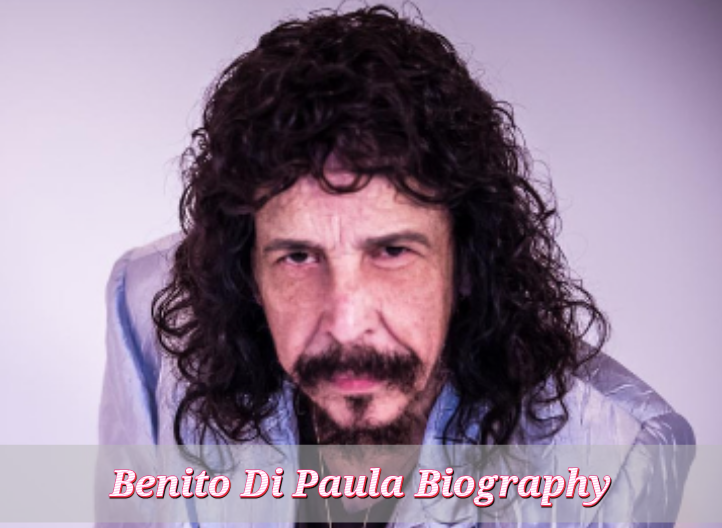
Benito Di Paula stands out as a key figure in Brazilian music. Born on November 28, 1941, his real name is Uday Vellozo. He became famous for his unique way of playing samba on the piano. This style mixed traditional samba with romantic and jazz touches. People often call it samba-joia, though he did not like the term. His songs touch hearts with simple words about love, life, and everyday feelings. Over his long career, he sold more than 50 million records in Brazil alone. This makes him the fifth best-selling artist in the country. He also sold about four million records in Europe. His music reached places like Mexico, Japan, the United States, and France. He performed at big events such as the MIDEM festival in Cannes in 1975.
His journey started in a small town but grew to touch millions. He wrote songs for TV shows and hosted his own program called Brasil Som 75. Hits like Retalhos de Cetim and Charlie Brown became classics. Other artists covered his work, including Paul Mauriat and Charlie Byrd. Benito’s life shows how hard work and talent can lead to success. He faced ups and downs but kept making music. Even in his 80s, he works with his son on new projects. This biography looks at his early days, career peaks, and lasting impact. Readers will learn facts about his path and why he matters in Brazilian culture. His story inspires those who love music and want to know more about samba’s evolution.
Benito’s music blends old and new sounds. He played piano in a way that made samba feel fresh. His fancy clothes and emotional singing set him apart. Fans loved his live shows where he connected deeply. This article uses simple words to explain his life. It draws from real events and dates to keep things true. By the end, you will see why Benito Di Paula remains a beloved name in music.
Benito Di Paula Early Life
Benito Di Paula He was born on November 28, 1941, in Nova Friburgo, a city in Rio de Janeiro state, Brazil. His birth name was Uday Vellozo. He grew up in a big family with 12 brothers and sisters. His father, Jose Vellozo, worked as a railway worker at the Leopoldina Station. Jose had gypsy roots and enjoyed playing string instruments like the piano, bandolim, and violao for fun. His mother, Maria Schuenck, took care of the home. The family did not have much money, but music filled their days.
From a young age, Benito heard music all around him. Family gatherings often included singing and playing instruments. This sparked his interest in music during the 1940s and 1950s. He watched his father play and learned by listening. Benito did not take formal lessons at first. Instead, he picked up skills through family and local events. His father’s Carnival block and regional music group influenced him deeply. By age 15, he started performing at local spots like the Avenida Hotel.
In 1958, at age 17, Benito moved to Rio de Janeiro for army service. This change opened new doors. He lived in tough conditions at first, even in a shantytown called Morro da Formiga. There, he met real samba players from the old school. This helped him understand true samba roots. His early years built a strong base for his future in music. Hard times taught him to keep going. Benito’s story shows how family and surroundings shape a person’s path.
Benito Di Paula
Education
Details about Benito Di Paula’s formal education are limited. He grew up in a working-class family where school might not have been the main focus. Sources suggest he learned mostly through life experiences rather than classrooms. Music became his true school. He studied instruments by watching his father and others. In Nova Friburgo, he gained knowledge from local musicians and family traditions.
After moving to Rio de Janeiro in 1958 for army duty, he continued learning on his own. The army might have provided some basic training, but nothing specific about music. Benito honed his skills in nightclubs and through practice. He did not attend a music school or university for advanced studies. Instead, his education came from real-world playing and listening to Brazilian tunes. This hands-on approach helped him create his special samba style. His story proves that passion and practice can teach more than books sometimes.
Benito Di Paula
Personal Life
Benito Di Paula settled in Sao Paulo after his early career moves. He raised a family there and made it his home base. He has children, including sons Andre and Rodrigo Vellozo. Sadly, Andre passed away by suicide in 2019. This loss affected Benito deeply. Rodrigo follows in his father’s footsteps as a musician. They worked together on projects like the 2020 single Lagrimas no Meu Sorriso and the 2021 album O Infalivel Zen. On August 3, 2021, Rodrigo and his wife Carolina Bellezi welcomed daughter Aurora. This made Benito a grandfather for the first time.
Benito’s gypsy heritage from his father shaped his resilience. He faced challenges like losing his Morumbi mansion in 2013. The government took it for a metro line under mayors Gilberto Kassab and Fernando Haddad. He received about one million reais in compensation, around 200,000 US dollars. With that, he bought an apartment in Jardins, Sao Paulo. During the COVID-19 pandemic, he changed his style and did livestreams. Benito keeps active on social media like Instagram at benitodipaulabr. He shares updates and performs. His personal life mixes joy from family and music with tough moments. Friends like Chico Buarque and Luiz Gonzaga added support. Benito’s life shows balance between work and loved ones.
Benito Di Paula
Net Worth
Exact numbers for Benito Di Paula’s net worth are not easy to find. Public sources do not give a clear figure. However, his success in music points to a good financial standing. He sold over 50 million records in Brazil, making him the fifth top seller there. In Europe, he sold about four million more. His albums often hit 600,000 copies each in the 1970s and 1980s. This brought in steady income from sales and royalties.
Benito also earned from live shows, TV work, and songwriting for soap operas. Tours in places like Mexico, Japan, and Europe added to his earnings. In 2013, he got one million reais from his house sale, about 200,000 US dollars then. Adjusted for today, that holds value. While no official estimate exists, his long career and sales suggest a net worth in the millions of dollars. He lives comfortably in Sao Paulo. His wealth comes from hard work in music over decades.
Benito Di Paula Career
Benito Di Paula’s career spans over 50 years. He started as a crooner in Rio de Janeiro nightclubs like Balalaika in Copacabana. In the 1950s, he made his first recordings. His 1956 single Final came out with Portinho and his Orchestra on the Continental label. By the 1960s, he wrote songs like Bem Feito in 1966. He composed Cançao para o Nosso Amor for the 1969 telenovela Nino, o Italianinho. He worked with artists like Ronnie Von and Beth Carvalho.
In 1970, he won the Chico Viola Prize for Hei John/Faça de Mim Uma Ilha. He moved to Sao Paulo that year and became a symbol of Samba Paulista. His 1971 album Benito Di Paula on Copacabana had Violão Não Se Empresta a Ninguém. The 1972 album Ela reached the US market. His big break came in 1973 with Um Novo Samba. It introduced his piano-driven samba style. Retalhos de Cetim sold over 150,000 copies and became the second most-played song that year. Artists like Jair Rodrigues, Paul Mauriat, and Charlie Byrd covered it.
In 1974, his live album Gravado Ao Vivo featured Charlie Brown. He wrote it over five years, inspired by Peanuts comics in a Santos boarding house. It became a huge hit with international covers by Two Man Sound and Sylvia Vrethammar. Benito hosted TV show Brasil Som 75 on TV Tupi. Guests included Elizeth Cardoso. He performed at MIDEM in Cannes in 1975. He paid tribute to Ataulfo Alves and Luiz Gonzaga, who called him his stepson.
The 1980s saw label changes to WEA and RGE. Albums like Ah, Como Eu Amei in 1981 topped charts. Bom Mesmo é o Brasil in 1983 added funk. Nação in 1985 focused on Indigenous rights. He worked with Demônios da Garoa on A Vida é Dura for telenovela Ti-ti-ti. In 1997, he wrote the book Cantos e Contos do Benito di Paula. He performed in Projeto Seis e Meia in 1998.
In the 2000s, he stayed active. Grupo Revelação re-recorded Do Jeito Que A Vida Quer in 2002-2003. His 2009 live CD/DVD Ao Vivo at Vivo Rio featured family. In 2011, he contributed to Uma flor para Nelson Cavaquinho. He guested with Grupo Revelação in 2012. The 2016 album Essa Felicidade É Nossa came out. During COVID-19, he did livestreams and changed his look.
Recent work includes the 2020 single Lagrimas no Meu Sorriso and 2021 album O Infalivel Zen with Rodrigo. He keeps performing and sharing on Instagram. His career includes over 35 albums. Here is a list of key ones:
Final in 1956 on Continental.
Final/Bem Feito in 1966 on Continental.
Uday Vellozo in 1967 on Continental.
Benito di Paula in 1968 on Continental.
Nino, o Italianinho in 1969 on Copacabana.
Hei John / Faça de Mim Uma Ilha in 1970 on Copacabana.
Benito Di Paula in 1971 on Copacabana.
Ela in 1972 on Copacabana.
Um Novo Samba in 1973 on Copacabana.
Gravado Ao Vivo in 1974 on Copacabana.
Benito Di Paula in 1975 on Copacabana.
Benito Di Paula in 1976 on Copacabana.
Benito Di Paula in 1977 on Copacabana.
Benito Di Paula in 1978 on Copacabana.
Ah, Como Eu Amei in 1981 on WEA.
Bom Mesmo é o Brasil in 1983 on RGE.
Nação in 1985 on RGE.
Fazendo Paixão in 1990 on EMI.
A Vida Me Faz Viver in 1992 on EMI.
Pode Acreditar in 1994 on EMI.
Baileiro in 1996 on EMI.
Ao Vivo in 2009 on Independent.
Essa Felicidade É Nossa in 2016 on Independent.
O Infalível Zen in 2021 on Independent.
He won awards like the Press Trophy in 1976. His songs appeared in telenovelas like O Espigão, O Homem Proibido, and A Gata Comeu. Benito’s career changed samba and inspired many.
Benito Di Paula Controversies
Benito Di Paula faced some debates during his rise. In 1973, with Um Novo Samba, critics called his style samba-joia. They saw it as too romantic and commercial, mixing samba with jazz and soul. Benito disliked the label and called it pejorative. He said he played true samba. Critics felt it moved away from traditional roots. Some called him tacky or cheesy for his fancy clothes and weepy singing.
In 1971, he covered Chico Buarque’s Apesar de Você. The military dictatorship censored it. Radios stopped playing it, and stores pulled records. This hurt sales at the time. In 1977, his song Osso Duro de Roer answered rumors. Journalists said he had leukemia and even died. Benito used the song to say he was alive and strong. He called critics owners of samba for judging his work.
These issues showed divides in Brazilian music. Purists wanted classic samba, but Benito brought new fans. He defended his style in interviews. Over time, his success quieted some critics. His controversies highlight changes in music during the 1970s.
Benito Di Paula Legacy
Benito Di Paula left a big mark on Brazilian music. He helped create a romantic samba style that led to pagode romantico. His piano playing made samba more accessible. He influenced artists like Agepe and Nelson Goncalves. Over 35 albums and 50 million sales in Brazil show his reach. Four million in Europe spread samba worldwide. Songs like Charlie Brown and Retalhos de Cetim became timeless. Covers by global stars like Paul Mauriat prove his impact.
He hosted Brasil Som 75 and wrote for TV soaps. This brought samba to more people. His work with family, like Rodrigo, keeps his music alive. In 2021, at age 80, he released new work. Benito’s story inspires young musicians. He showed how to blend styles and succeed. His legacy lives in samba’s evolution and fan love.
Conclusion
Benito Di Paula’s life tells a tale of talent and persistence. From humble starts in Nova Friburgo to global fame, he shaped samba. His hits and style touched many. Despite challenges, he stayed true to his music. Today, at 84, he inspires with new projects. His biography teaches about hard work and passion. Listen to his songs on Spotify or YouTube. Explore similar artists like Bebeto. Benito’s journey reminds us music connects us all.
FAQs
Where was Benito Di Paula born?
He was born in Nova Friburgo, Rio de Janeiro state, Brazil, on November 28, 1941.
What is Benito Di Paula famous for?
He is famous for his unique samba style with piano, hits like Charlie Brown, and over 50 million record sales.
What songs did Benito Di Paula write?
He wrote Retalhos de Cetim, Charlie Brown, Beleza Que Você é Mulher, Vai Fica na Saudade, and Bandeira Do Samba.
How old is Benito Di Paula?
As of 2026, he is 84 years old.
Is Benito Di Paula still alive?
Yes, he is alive and active, performing and releasing music.
Who is Benito Di Paula’s family?
He has sons Andre (deceased 2019) and Rodrigo Vellozo, and granddaughter Aurora born in 2021.
What genre is Benito Di Paula?
He plays samba with romantic and jazz elements, often called samba-joia or MPB.
How did Benito Di Paula get his stage name?
Promoter Alfredo Motta Italianized his name Uday Vellozo to Benito Di Paula.
What are Benito Di Paula’s most famous songs?
Charlie Brown, Retalhos de Cetim, and Do Jeito Que A Vida Quer.
Where does Benito Di Paula live now?
He lives in an apartment in Jardins, Sao Paulo, Brazi