Ney Matogrossos Biography: Net Worth, Career, Age, Awards, personal Life, Education
[contact-form][contact-field label=”Name” type=”name” required=”true” /][contact-field label=”Email” type=”email” required=”true” /][contact-field label=”Website” type=”url” /][contact-field label=”Message” type=”textarea” /][/contact-form]
Ney Matogrossos Biography
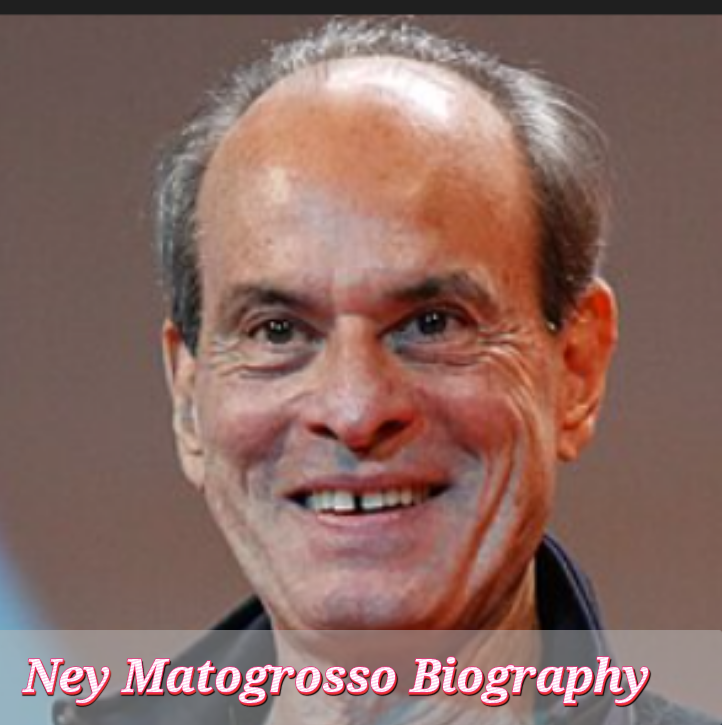
Ney Matogrosso stands out as one of Brazils most unique singers. Born on August 1, 1941, he gained fame for his high countertenor voice and bold stage acts. His career spans over 50 years, blending music styles like glam rock and MPB, which is Brazilian popular music. Ney challenged social rules during tough times in Brazil, such as the military rule from 1964 to 1985. He inspired many with his free spirit and art. This biography looks at his path from simple starts to becoming a cultural hero. It covers his music breakthroughs, personal strength, and impact on Latin American songs. Ney ranks as the third top Latin American singer by Rolling Stone magazine. He won the Latin Grammy Lifetime Achievement Award in 2014. His story teaches about courage and creativity in music.
Ney first caught eyes in the 1970s with the group Secos e Molhados. Their shows mixed rock with theater, selling over one million records fast. After the group split, Ney went solo and kept pushing limits. He sang folk rock, pop, and classic MPB tunes. His voice reaches high notes few men can hit. Ney often wore wild outfits and makeup, mixing male and female styles. This made him a symbol for LGBTQ rights in Brazil. Even at age 84 in 2025, he tours and records, showing his lasting energy. His life proves art can change views on gender and freedom. Readers will learn how Ney turned personal struggles into powerful songs that still move people today.
Ney Matogrossos
Early Life
Ney de Souza Pereira He was born on August 1, 1941, in Bela Vista, Mato Grosso, now part of Mato Grosso do Sul, Brazil. His father, Antônio Mattogrosso Pereira, born on July 13, 1916, and died on December 21, 1985, worked as a military man. His mother, Beita de Souza Pereira, born on October 5, 1922, played piano and brought art into the home. Ney had four siblings. The family moved often because of his fathers job. This nomadic life shaped Neys young years, teaching him to adapt to new places.
As a child, Ney felt different from other boys. He had a sensitive side and loved arts. His fathers strict rules made home tense. Ney clashed with his dad over ideas of what a boy should be. His mother gave him support and sparked his interest in music. Ney spent time alone, dreaming of better ways to express himself. At age 17, in 1958, he joined the Brazilian Air Force. He later moved to Brasília. There, he started singing in a group of four voices at school events. This gave him his first taste of performing. In 1966, Ney went to Rio de Janeiro to chase acting dreams. He lived like a hippie, selling handmade items to survive. He took the stage name Ney Matogrosso in 1971, honoring his family and birth state. These early moves built his bold character.
Neys childhood restrictions fueled his later rebellion. He learned discipline from his father but chose freedom in art. By 1971, he shifted to São Paulo, ready for music. His early life shows how tough starts can lead to great success in creative fields.
Ney Matogrossos
Education
Ney did not follow a standard school path for arts. He learned through real experiences instead. At 17, after basic schooling, he entered the Brazilian Air Force in 1958. This gave him structure but no formal music classes. In Brasília, he sang in a vocal group at college festivals. This hands on practice taught him about performing. Ney read books on theater and music on his own. He performed at bars, gaining skills without teachers.
In Rio de Janeiro from 1966, Ney worked as a craft maker while dreaming of acting. He joined theater plays and rehearsals in São Paulo from 1971. These informal sessions shaped his style. Ney called himself self taught. He drew from life, like his mothers piano playing and counterculture friends. No university degrees marked his path. Instead, travel and trials built his knowledge. This approach helped him blend unique sounds in his career.
Ney Matogrossos
Personal Life
Ney keeps much of his private life quiet. He spoke openly about his sexuality in a 1978 magazine talk, saying he is gay. This was brave during times of strong bias in Brazil. Ney dated both men and women early on but stayed discreet. One known link was with singer Cazuza in 1979. It was short but strong. Ney cared for friends lost to AIDS, like Cazuza who died in 1990.
For 13 years, Ney shared life with doctor Marco de Maria from Rio de Janeiro. Marco loved the sea. Their bond was calm and deep. Marco was the only partner Ney lived with. When Marco got sick with AIDS, Ney set up a room at home and paid for all care. He refused family help and stayed by Marcos side until the end. This shows Neys loyalty and strength.
Ney calls himself married to work, making relationships hard. He lives in a quiet Rio cottage, loving nature. Ney eats vegetarian food and stays peaceful off stage. He walks streets alone and gets warm greetings from fans. Ney remains curious about love and identity. He read books by transgender writer Paul B Preciado, keeping an open mind. His personal choices mirror his free art spirit.
Ney Matogrossos
Net Worth
Ney Matogrosso has built wealth from his long music career. Exact figures stay private. Some sources guess his net worth at about 10 to 15 million US dollars in 2025. This comes from album sales, tours, and awards. His group Secos e Molhados sold over one million records in the 1970s. Solo albums like Bandido in 1976 went gold and platinum.
Recent earnings show from social media and shows. In 2026, one site notes weekly income around 2800 to 3860 US dollars and monthly about 11280 to 15440 US dollars. These are estimates, not confirmed. Ney has nearly 50 albums and global tours. He acted in films like Magnetick Pathways in 2018. His 2018 book Vira Lata de Raça added income. Ney lives simply, so wealth likely grows from steady work.
Ney Matogrossos
Career
Neys career started in 1971 when he joined Secos e Molhados in São Paulo. The glam rock band mixed pop and rock. Their first album in 1973 sold big with hits like Sangue Latino and Rosa de Hiroshima. They released a second album in 1974. The group split that year after huge success.
Ney went solo in 1975 with Água do Céu Pássaro, also called Homem de Neanderthal. It showed his high voice and wild style. Albums like Bandido in 1976, Pecado in 1977, and Feitiço in 1978 earned gold and platinum. He toured the US, Europe, and Israel in the late 1970s. Songs like América do Sul and Não Existe Pecado ao Sul do Equador became favorites.
In the 1980s, Ney changed to a calmer MPB look. Albums included Mato Grosso in 1982, Pois É in 1983, and Destino de Aventureiro in 1984. He opened the first Rock in Rio on January 11, 1985, singing América do Sul with a jawbone prop to mark the end of military rule. He sang at Montreux Jazz Festival in 1983 and 1994. Bugre came in 1986, Pescador de Pérolas in 1987 with classics like Aquarela do Brasil.
The 1990s brought team ups. He worked with guitarist Raphael Rabello on À Flor da Pele in 1990. Tributes included Um Brasileiro for Chico Buarque in 1996 and Ney Matogrosso Interpreta Cartola in 2002. Albums like As Aparências Enganam in 1993 and O Cair da Tarde in 1997 showed range.
In the 2000s, Ney kept active. Batuque in 2001 mixed rhythms. Vagabundo in 2004 with Pedro Luís e a Parede went live in 2005. Inclassificáveis in 2008 and Beijo Bandido in 2009 led to live versions. Atento aos Sinais in 2013 earned praise.
Ney started the Bloco Na Rua tour in 2019 at age 77. He acted in films like Light in Darkness The Return of Red Light Bandit in 2010. A 2025 biopic Homem com H stars Jesuíta Barbosa as Ney. His discography lists over 50 albums. Key ones are: Água do Céu Pássaro 1975, Bandido 1976, Pecado 1977, Feitiço 1978, Seu Tipo 1979, Sujeito Estranho 1980, Ney Matogrosso 1981, Mato Grosso 1982, Pois É 1983, Destino de Aventureiro 1984, Bugre 1986, Pescador de Pérolas 1987, À Flor da Pele 1990, As Aparências Enganam 1993, Estava Escrito 1994, Um Brasileiro 1996, O Cair da Tarde 1997, Olhos de Farol 1999, Vivo 2000, Batuque 2001, Ney Matogrosso Interpreta Cartola 2002, Ney Matogrosso Interpreta Cartola Ao Vivo 2003, Vagabundo 2004, Canto em Qualquer Canto 2005, Vagabundo ao vivo 2005, Inclassificáveis 2008, Beijo Bandido 2009, Beijo Bandido Ao Vivo 2011, Atento aos Sinais 2013. Compilations include Vinte e Cinco 1996 and Juntos with Secos e Molhados. Extra works are A Floresta do Amazonas Villa Lobos 1988 and Brazil Night Ao Vivo em Montreux 1983 with Caetano Veloso and João Bosco. Ney worked with artists like Chico Buarque, Caetano Veloso, João Bosco, and Vitor Ramil. His style fused folk rock, pop rock, and glam rock.
Ney Matogrossos
Controversies
Ney faced backlash for his bold acts. In the 1970s, his makeup, costumes, and dances mixed genders, shocking many during military rule. People called him controversial for challenging male roles. With Secos e Molhados, a 1973 video for Flores Astrais drew criticism for its wild look.
In 1978, Ney spoke about being gay in an interview, facing homophobia. Media changed his words on sex to love due to censorship. Early shows had crowds curse him. Once, he told them off, turning boos to cheers. Rumors said he had AIDS in the 1980s. He sued a tabloid for lies.
Some accused him of copying bands like Kiss, shown in his 2025 biopic. Ney always defended his unique style. His acts sparked talks on identity and freedom.
Ney Matogrossos
Legacy
Ney changed Brazilian music by breaking gender rules. His androgynous style in the 1970s inspired queer artists. He ranks as a top Brazilian singer by Rolling Stone. The 2014 Latin Grammy Lifetime Award honors his work. Ney influenced MPB and Latin songs with his voice and satire.
His 2018 book Vira Lata de Raça shares his story. A 2018 exhibit in Athens called him a revolutionary. At 84, he tours, showing endurance. Ney stands for artistic freedom and LGBTQ rights in Brazil.
Conclusion
Ney Matogrossos life tells a tale of change and bravery. From a strict childhood to music stardom, he used his voice to fight norms. His career brought new sounds to Brazil and beyond. Ney stays active, inspiring new artists. His story reminds us art can spark social shifts. Explore his songs and book to see his impact.
FAQs
How old is Ney Matogrosso?
He is 84 years old as of 2025, born on August 1, 1941.
Where was Ney Matogrosso born?
He was born in Bela Vista, Mato Grosso do Sul, Brazil.
What band was Ney Matogrosso in?
He was in Secos e Molhados from 1971 to 1974.
What is Ney Matogrosso known for?
His countertenor voice, androgynous acts, and challenging gender norms in music.
What are Ney Matogrossos famous songs?
Hits include Sangue Latino, Rosa de Hiroshima, Homem com H, Bandido Corazón, and Aquarela do Brasil.
Has Ney Matogrosso won awards?
Yes, he won the Latin Grammy Lifetime Achievement Award in 2014.
Is Ney Matogrosso gay?
Yes, he spoke openly about it in 1978.
What controversies has Ney Matogrosso faced?
His bold costumes and gender bending acts during dictatorship, plus AIDS rumors.
What is Ney Matogrossos vocal range?
He has a countertenor range, high for men.
Has Ney Matogrosso retired?
No, he tours like Bloco Na Rua in 2019 and plans more.
How did Ney Matogrosso get famous?
Through Secos e Molhados success in 1973 and solo hits after.
What is Ney Matogrosso doing now?
Touring, recording, and featured in a 2025 biopic.
What is Ney Matogrossos net worth?
Estimates suggest around 10 to 15 million US dollars, but not confirmed.