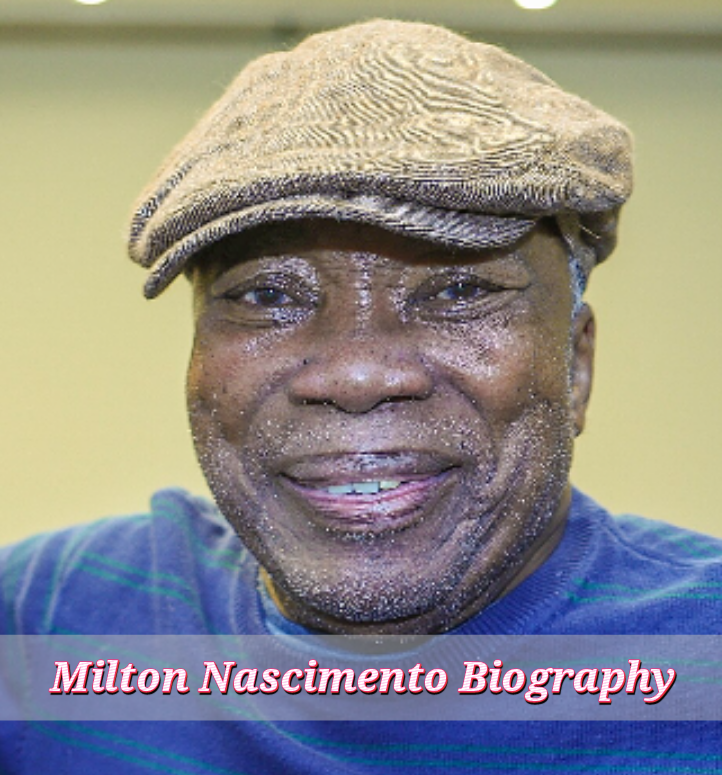
Milton Nascimento Biography: personal Life, Education, Net Worth, Career, Age, Awards
Milton Nascimento Biography
Milton Nascimento is a famous Brazilian singer and songwriter known for his special voice and music that mixes different styles. He was born on October 26, 1942, in Rio de Janeiro, Brazil. People often call him Bituca, a nickname from his childhood. His music comes from Brazilian popular music, or MPB, and he helped start a group called Clube da Esquina in the 1970s. This group changed how people made music in Brazil by blending rock, jazz, and folk sounds. Nascimento has won many awards, including five Grammys, and his songs talk about love, nature, and social issues. He grew up in a small town in Minas Gerais after being adopted, and this place shaped his style. Today, at 83 years old in 2026, he is seen as a legend in world music. His story shows how hard work and talent can take someone from simple beginnings to global fame. This article will look at his early life, education, personal life, net worth, career, controversies, legacy, and end with some common questions.
Milton Nascimento Early Life
Milton Nascimento came into the world on October 26, 1942, in the Tijuca neighborhood of Rio de Janeiro. His birth name is Milton Silva Campos do Nascimento. His mother, Maria do Carmo do Nascimento, worked as a maid and sang in a choir. Sadly, she died from tuberculosis when Milton was just two years old. After that, he was adopted by her employers, Lília Silva Campos and Josino Brito Campos. Lília was a music teacher who loved singing, and Josino was a math teacher who also ran a local radio station and fixed electronics. This new family gave him a stable home full of music and learning.
In 1944, when Milton was two, the family moved to Três Pontas, a quiet town in Minas Gerais state. This area is known for its green hills and coffee farms, and it became a big part of his identity. As a child, Milton heard a lot of music at home. His adoptive mother sang in the church choir, and he joined in too. He got his nickname Bituca from looking like a small bee, which stuck with him. By his teens, he worked as a DJ on his father’s radio station, playing records and learning about different sounds. This early time in Minas Gerais mixed local folk tunes with radio hits, sparking his love for music. He faced some tough times, like feeling different because of his adoption and darker skin in a mostly white family, but these experiences later showed up in his songs about belonging and hope.
Growing up during Brazil’s post war years, Milton saw the country change. In the 1950s, bossa nova music started in Rio, but he was more into the sounds of his home state. He played guitar and sang with friends, forming small bands. By age 18, in 1960, he moved to Belo Horizonte, the capital of Minas Gerais, to chase music dreams. This move marked the end of his simple early life and the start of something bigger. His background in a loving but modest family taught him resilience, which helped him through later challenges.
Milton Nascimento Education
Milton Nascimento did not go to college or have formal music training in a big school. Instead, he learned mostly on his own and from life experiences. In Três Pontas, he went to local schools where he studied basic subjects like math and Portuguese. His adoptive father, Josino, being a math teacher, likely helped with homework and encouraged curiosity. But music was his real school. From a young age, around 1950, he listened to his mother’s choir practices and picked up singing skills naturally.
In his teens, working at the radio station in the late 1950s, he educated himself by exploring records from Brazil and abroad. He taught himself guitar and piano without teachers, practicing for hours. When he moved to Belo Horizonte in 1960, he joined informal music groups. There, he met other young artists like Lô Borges and Fernando Brant, who shared ideas and songs. This was like a street education in music theory and composition.
Nascimento has said in interviews from the 1980s that he never studied music in a classroom. He learned by ear and heart, influenced by artists like João Gilberto and American jazz singers. In the 1960s, he took some short lessons on harmony from friends, but nothing official. His education came from performing in bars and festivals, where mistakes taught him more than books. This self taught path made his style unique, blending Minas Gerais folk with global sounds. Even without degrees, he became a teacher to others through his work, showing that passion can replace formal schooling.
Milton Nascimento Personal Life
Milton Nascimento keeps his personal life private, focusing more on music than public stories. He never married, but he adopted a son named Augusto in the 1990s. Augusto, born in 1993, is now a musician too, playing bass and working on projects with his father. They share a close bond, and Milton has written songs inspired by fatherhood, like ones about family ties.
In terms of health, Nascimento faced big challenges. In the 2000s, he dealt with diabetes and kidney issues, leading to a transplant in 2005. He also spoke openly about depression in interviews around 2010, saying it lasted over a decade. This honesty helped others in Brazil talk about mental health. He supports causes like environmental protection and rights for Black and Indigenous people, reflecting his Afro Brazilian roots.
Friends describe him as kind and thoughtful. He lived in Rio de Janeiro for years but often returns to Minas Gerais for peace. In 2022, he announced retirement from touring due to health, but he still records. As of 2026, at age 83, he lives quietly, enjoying time with family and nature. His personal life shows a man who values deep connections over fame, using tough times to create meaningful art.
Milton Nascimento Net Worth
Milton Nascimento’s net worth is estimated at about 10 million dollars in 2026. This comes from a long career spanning over 60 years. He made money from album sales, concerts, and royalties. His first big hit album, Travessia in 1967, started bringing in earnings. Over time, he released more than 30 studio albums, many going gold or platinum in Brazil.
International success added to his wealth. Collaborations like Native Dancer with Wayne Shorter in 1975 sold well in the US and Europe. Tours in the 1980s and 1990s, including shows in Japan and France, earned him good fees. He won five Grammy Awards, from 1998 to 2010, which boosted his profile and sales.
Other income sources include composing for films and ballets, like Maria Maria in 1976. Royalties from songs covered by artists like Esperanza Spalding keep money coming. He owns property in Rio and Minas Gerais, but lives modestly. No big scandals affect his finances. This net worth reflects steady work in music, not flashy business deals.
Milton Nascimento Career
Milton Nascimento’s career began in the early 1960s when he moved to Belo Horizonte. He worked odd jobs like accounting while playing music at night. In 1963, he entered a song contest with Travessia, which became his first hit. This led to his debut album in 1967, Milton Nascimento, mixing folk and jazz.
In 1972, he helped form Clube da Esquina with friends like Lô Borges and Fernando Brant. Their album Clube da Esquina fused rock, bossa nova, and Minas sounds, becoming a classic. It challenged Brazil’s military rule through subtle lyrics. Nascimento’s falsetto voice stood out, earning praise.
Going global, he recorded Native Dancer in 1975 with jazz star Wayne Shorter. This album introduced him to US audiences, blending Brazilian rhythms with jazz. He toured worldwide in the 1980s, releasing albums like Sentinela in 1980 and Anima in 1982.
In the 1990s, he explored more styles, like in Nascimento in 1997, which won a Grammy. He composed for ballet Maria Maria in 1976 and Último Trem in 1980, showing his range. Collaborations included Pat Metheny in 1987 and Esperanza Spalding in 2024 for Milton + Esperanza.
He released over 40 albums total. Awards include Latin Grammys in 2000 and 2010. In 2022, he retired from stages but did a farewell tour. As of 2026, his career inspires new musicians, with songs like Ponta de Areia and Canção da América still popular.
Here is a list of some key career milestones:
1967: Releases first album Travessia.
1972: Founds Clube da Esquina and releases their album.
1975: Collaborates on Native Dancer with Wayne Shorter.
1998: Wins first Grammy for Nascimento.
2005: Overcomes health issues and continues touring.
2022: Announces retirement after final tour.
2024: Releases album with Esperanza Spalding.
Milton Nascimento Controversies
Milton Nascimento has had few controversies, staying away from scandals. During Brazil’s military dictatorship from 1964 to 1985, his music with Clube da Esquina had hidden messages against oppression. Songs like Cais in 1972 were seen as protests, leading to some censorship. In 1973, authorities questioned him, but he avoided arrest by keeping lyrics poetic.
In 2025, at the Grammys, he protested poor seating for older artists, walking out briefly. This drew attention to ageism in awards, but it was resolved peacefully. He spoke out in a February 2025 interview.
He supports LGBT rights, which some conservative groups criticized in the 2010s. In 2018, during Brazil’s elections, he endorsed left leaning candidates, facing online backlash. But he stayed calm, focusing on unity.
No legal issues or personal dramas mark his life. His openness about depression in 2010 helped reduce stigma, seen as positive. Overall, any debates come from his bold stands, not wrongdoing.
Milton Nascimento Legacy
Milton Nascimento’s legacy is huge in Brazilian and world music. He helped shape MPB after bossa nova, making it more diverse. Clube da Esquina, started in 1972, influenced generations, mixing genres in new ways. Artists like Marisa Monte and Lenine credit him.
Globally, his jazz fusions opened doors for Brazilian sounds. Native Dancer in 1975 inspired musicians like Sting and Herbie Hancock. His voice, often called angelic, set a standard for emotional singing.
He represents Minas Gerais culture, putting it on the map. Themes of nature, identity, and justice in his songs educate on social issues. As a Black Brazilian, he promotes diversity.
In 2026, tributes include documentaries and covers. His music lives in playlists and festivals. He teaches that art can heal and connect people.
Conclusion
Milton Nascimento’s life from a small town boy to music icon shows the power of talent and heart. Born in 1942, he overcame loss and built a career full of hits and awards. His simple education and personal struggles made him relatable. With a net worth from honest work, he stayed grounded. His career highs, like Grammys and collaborations, outweigh minor controversies. His legacy inspires hope. As he enjoys retirement in 2026, his songs keep playing, reminding us of Brazil’s rich sounds.
FAQs
What is Milton Nascimento known for?
He is known for his unique falsetto voice, founding Clube da Esquina, and blending MPB with jazz and folk.
How old is Milton Nascimento?
He is 83 years old as of 2026, born on October 26, 1942.
Where is Milton Nascimento from?
He was born in Rio de Janeiro but raised in Três Pontas, Minas Gerais.
What genre is Milton Nascimento?
His main genre is MPB, with elements of jazz, rock, and world music.
Who influenced Milton Nascimento?
Family members, bossa nova artists like João Gilberto, and jazz musicians like Wayne Shorter influenced him.
What are Milton Nascimento’s famous songs?
Famous ones include Travessia, Ponta de Areia, Maria Maria, and Canção da América.
Is Milton Nascimento still alive?
Yes, he is alive and retired from touring as of 2022, but active in recordings.